
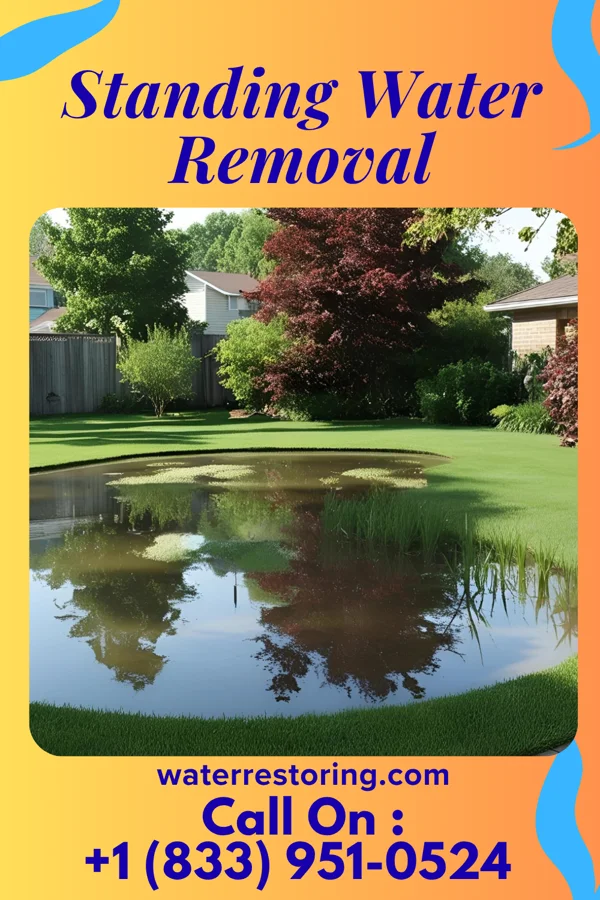
Standing Water & Insurance in Upper Bear Creek
In Upper Bear Creek, Colorado, the primary water damage cause is often due to seasonal flooding from nearby Upper Witter Gulch and Pine Valley, which can lead to sudden water intrusion in homes and properties. Additionally, heavy rainfall events in the Clear Creek County area contribute to standing water issues in rural neighborhoods like Echo Hills. is the trigger behind most standing water removal claims in Upper Bear Creek. A close second is Secondary causes include leaking septic tanks in rural areas, burst pipes during winter freezes, and improper drainage around properties in the Pine Valley region. These issues can compound during the spring thaw, increasing the risk of water damage.. Most homeowner insurance policies cover sudden, accidental water damage. What separates a clean claim from a stuck one is fast professional response with documentation an adjuster can actually use.
Upper Bear Creek experiences a semi-arid climate with significant seasonal variation, making it prone to both heavy rainfall and prolonged dry periods. This climate pattern increases the likelihood of flash floods and standing water in low-lying areas near Echo Hills and Pine Valley.
Most standing water removal calls in Upper Bear Creek come from In Upper Bear Creek, Colorado, the primary water damage cause is often due to seasonal flooding from nearby Upper Witter Gulch and Pine Valley, which can lead to sudden water intrusion in homes and properties. Additionally, heavy rainfall events in the Clear Creek County area contribute to standing water issues in rural neighborhoods like Echo Hills.. Running a close second is Secondary causes include leaking septic tanks in rural areas, burst pipes during winter freezes, and improper drainage around properties in the Pine Valley region. These issues can compound during the spring thaw, increasing the risk of water damage.. Local mold risk: Mold growth in Upper Bear Creek can occur rapidly due to the region's high humidity during spring and summer months, especially in poorly ventilated rural homes. Immediate action is critical to prevent long-term structural and health impacts.
For public guidance on the health effects of mold after prolonged water exposure, see the EPA mold and health page.